


Solar Power for Homes
Solar power for homes often looks deceptively simple from a distance: panels go on the roof, the electric bill drops, and the house begins “running on sunlight.” Up close, however, residential solar is both a technical system and a long-range financial decision—one that can quietly outperform expectations or disappoint depending on how well it aligns with your home, utility structure, and long-term plans.
This guide is built to function as your calm starting point. Not a sales pitch. Not an installer funnel. Think of it as the conversation you’d have with a technically literate advisor before committing five figures to an energy upgrade.
You’ll learn:
- How a home solar system actually works
- What the major components do
- Realistic cost ranges
- How savings typically behave
- Which myths still mislead smart buyers
- And the checkpoints that prevent expensive mistakes
A Quick Reality Check Before You Start
Solar panels convert sunlight into electricity—but they don’t store energy on their own, and they don’t eliminate every utility charge.
Your outcome depends primarily on:
- Annual electricity usage
- Roof orientation and shading
- Local utility billing rules
- Incentives
- System design
The U.S. Department of Energy explains that photovoltaic (PV) systems convert sunlight directly into electricity at the cell level, with the inverter translating that power into usable household current. Modern panels also degrade slowly—commonly around ~0.5% per year—meaning they typically remain productive for decades.
This is why solar is less about chasing a perfect month and more about optimizing long-term energy economics.
What Is Solar Power for Homes — Really?
At its core, a residential solar system is a small private power plant.
During daylight hours:
Sunlight → Panels (DC power) → Inverter (AC power) → Home usage → Grid or Battery
Your home consumes solar electricity first. If production exceeds demand, the extra power may:
- Flow back to the grid for credits (depending on policy)
- Charge a battery
- Or be limited by system settings
If you want the full permitting-to-activation walkthrough later, see Solar Installation Process →
https://smartsolarandbattery.com/solar-installation-process/
How Much Does Solar Typically Cost?
Here is where most homeowners lean forward.
In today’s market, many professionally installed systems fall roughly between:
👉 $2.50 – $3.50 per watt (before incentives)
That places a typical 6-kW rooftop system around $15,000–$21,000, though equipment tier, installer quality, and roof complexity can shift that range.
Homes in higher electricity-rate regions sometimes offset approximately:
👉 $90 – $180 per month
—and occasionally more where utility prices are elevated.
The important takeaway:
Solar is rarely about instant bill elimination.
It’s about reshaping your energy costs over time.
For deeper cost modeling later, visit:
Solar Panel System Cost →
https://smartsolarandbattery.com/solar-panel-system-cost/
ROI Snapshot (Quick Reference)
System Size | Est. Cost (Before Incentives) | Typical Monthly Offset | Rough Payback Window |
5 kW | $12K–$17K | $70–$130 | 8–12 years |
6 kW | $15K–$21K | $90–$180 | 7–11 years |
8 kW | $20K–$28K | $120–$240 | 6–10 years |
Note: Actual outcomes depend heavily on incentives, financing terms, and local electricity pricing — which is why experienced buyers evaluate solar using conservative assumptions.
👉 Estimate your potential savings:
Use our Solar ROI Calculator to model system size, incentives, and payback based on your location.
(Internal tool page coming next in the publishing stack.)
🟦 Quick Clarity
Solar is not about eliminating your electric bill overnight — it’s about gradually changing how your home produces and consumes energy so future rate increases affect you less.
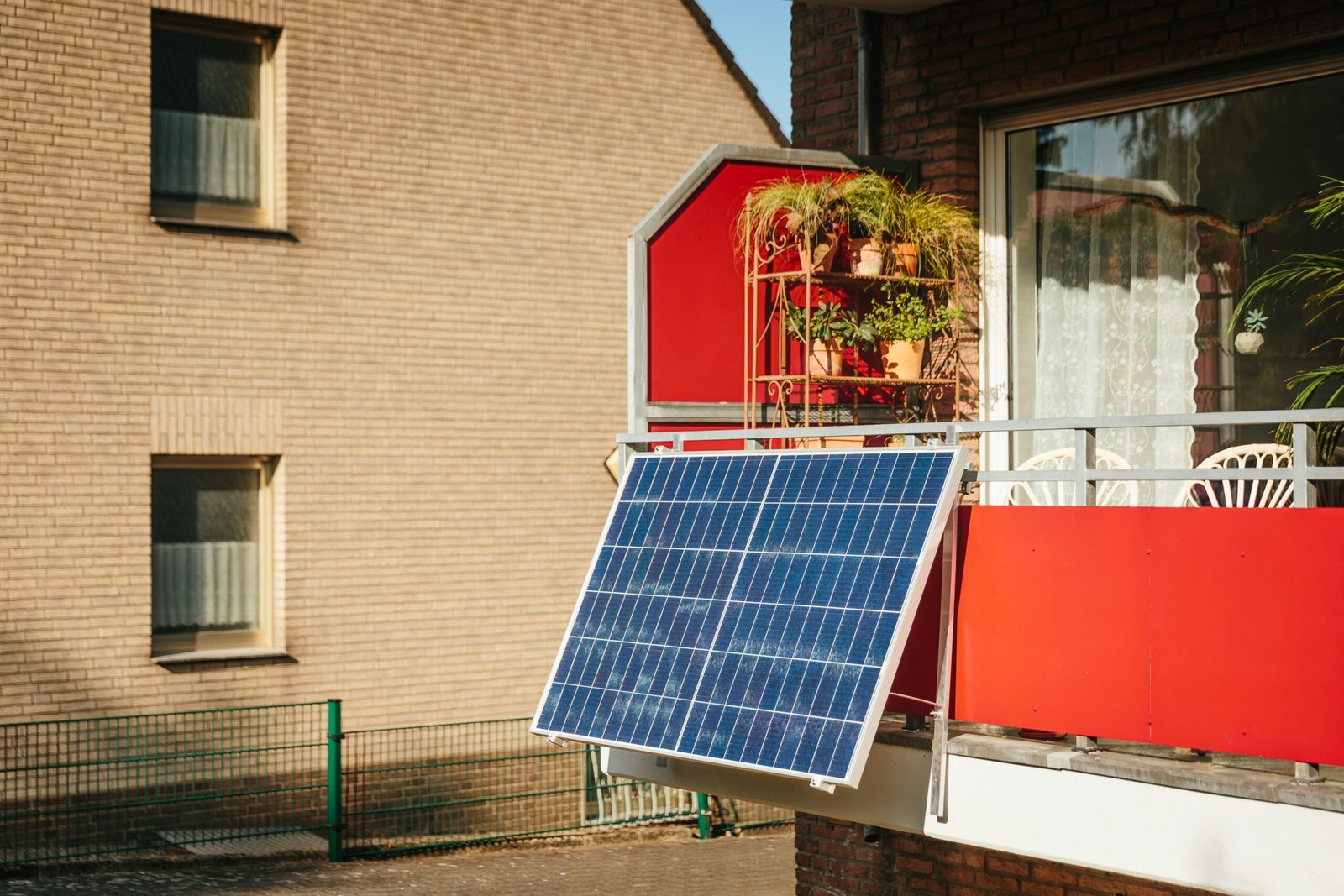
Core Components of a Home Solar System
Solar Panels
Capture sunlight and generate direct current electricity.
Inverter
Arguably the brain of the system. It converts DC to AC and influences performance under shade, monitoring visibility, and battery compatibility.
For a deeper technical breakdown later:
Solar Inverter Types →
https://smartsolarandbattery.com/solar-inverter-types/
Racking + Flashing
The structural backbone that keeps panels secured and your roof watertight. Quality matters more than most buyers realize.
Electrical Hardware
Disconnects, combiner panels, and breakers form the compliance layer inspectors care deeply about.
Monitoring
Allows you to verify production and detect anomalies early.
Utility Meter / Net Metering
Many utilities allow exported electricity to generate bill credits — but policies vary widely.
👉 Check your state incentives → see how much they can reduce your upfront cost:
https://smartsolarandbattery.com/solar-incentives-by-state/
Battery (Optional)
Adds resilience and backup capability but changes the financial equation.
See:
Solar Battery Backup →
Grid-Tied vs Hybrid vs Off-Grid
Grid-Tied (Most Common)
- Lowest entry cost
- Excellent for bill reduction
- Grid acts as backup
Hybrid (Grid + Battery)
- Provides outage protection
- Supports load shifting
- Higher upfront investment
Off-Grid
- Fully independent
- Requires careful system sizing
- Ideal mainly for remote properties
If your goal is financial optimization, grid-tied often wins.
If your priority is resilience, hybrid deserves serious attention.
Solar Energy for Beginners — The Only Concepts You Truly Need
You don’t need to become an engineer. Just understand these five anchors:
1. kW vs kWh
kW = power rate
kWh = energy consumed
Utilities bill in kWh.
2. Production Is Seasonal
Winter output differs from summer — sometimes dramatically.
3. Your Bill Isn’t Just Energy
Fixed fees, demand charges, and time-of-use pricing all influence savings.
4. Shading Matters More Than Expected
One poorly placed shadow can affect production depending on system design.
5. Financing Can Reshape ROI
A strong system paired with weak loan terms can erase projected savings.
Explore later:
Solar Loan Rates →
https://smartsolarandbattery.com/solar-loan-rates/
What Solar Can Realistically Do for Your Monthly Bill
Instead of asking:
“Will solar eliminate my bill?”
Ask:
“How much of my annual kWh usage will solar offset under my utility rules?”
Many homes approach very low energy charges — yet still pay:
- Connection fees
- Taxes
- Minimum charges
That’s normal.
Solar reduces exposure to future rate hikes more than it promises total independence.
For analytical modeling:
Solar Panel Return on Investment →
Solar Myths That Still Cost People Money
Myth: Solar fails on cloudy days
Panels still generate electricity — just at reduced output.
Myth: Bigger is always better
Oversizing can weaken ROI if export credits are low.
Myth: Solar is maintenance-free forever
Low maintenance, yes. Zero maintenance, no.
Myth: Payback is always fast
Payback depends on electricity rates, incentives, and financing structure.
Myth: Panels degrade too quickly
Performance typically declines gradually, not abruptly.
The Decision Framework That Prevents Regret
✔ Checkpoint 1 — Roof Suitability
Unshaded space. Good structural condition. No near-term replacement.
✔ Checkpoint 2 — Understand Utility Rules
Export credits can dramatically influence ROI.
✔ Checkpoint 3 — Size the System Correctly
Base it on annual usage — not guesswork.
✔ Checkpoint 4 — Compare Cost Per Watt
Ignore marketing fluff. Focus on production math.
✔ Checkpoint 5 — Know Your Primary Goal
Bill reduction? Backup? Environmental impact?
Each goal shapes system design.
What To Do Next (Clean Path Forward)
Before requesting quotes:
- Gather 12 months of kWh usage
- Review roof condition
- Decide whether backup power matters
- Learn your incentives
- Then compare installer proposals
Continue your evaluation here:
- Solar Panel System Cost →
- Solar Incentives by State →
- Solar Loan Rates →
- Solar Installation Process →
- Home Insurance + Solar Panels →
FAQs
Does solar work during outages?
Most grid-tied systems shut off for safety. Backup requires battery integration.
How many panels does a home need?
It depends on annual usage, roof geometry, and panel wattage.
Is partial shade a dealbreaker?
Not always — but it changes design strategy.
Do panels work in winter?
Yes, though production typically drops with shorter daylight hours.
How long do panels last?
Often decades, with gradual performance decline rather than sudden failure.